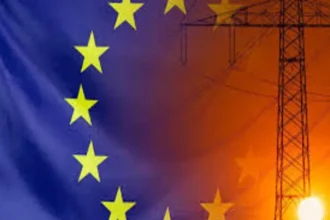
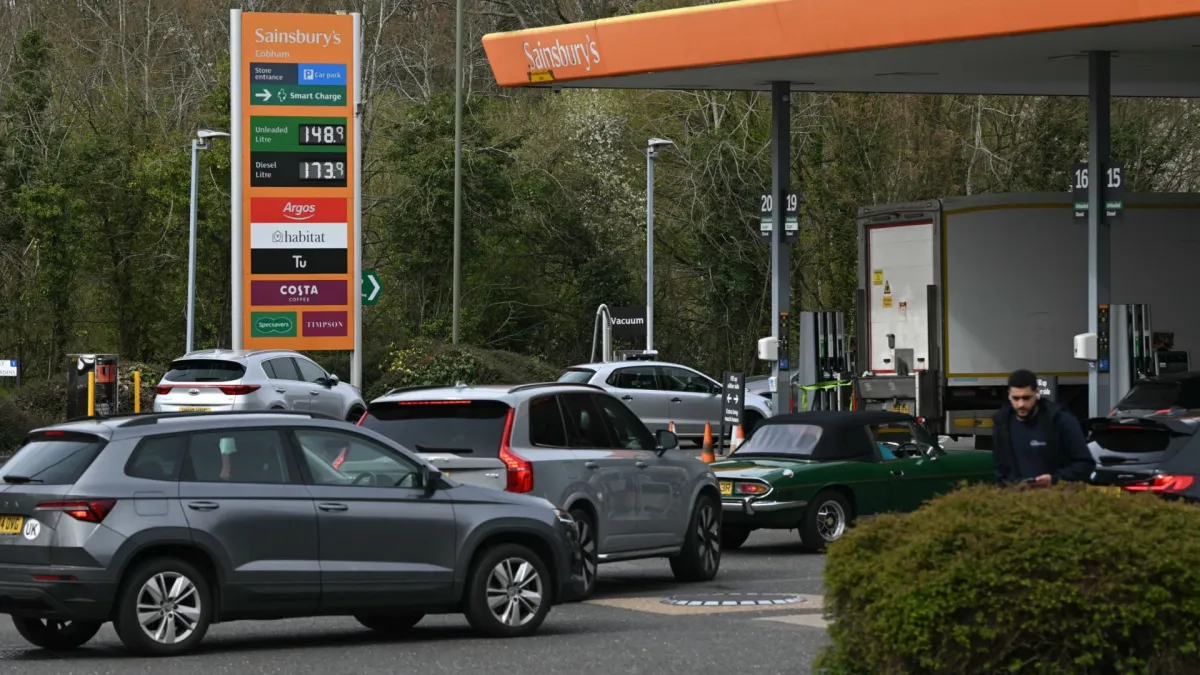
The European Union is preparing for a prolonged energy shock triggered by the conflict in the Middle East and is considering all available options, including fuel rationing and the release of additional oil from emergency reserves, according to EU Energy Commissioner Dan Jorgensen. The near-total disruption of the Strait of Hormuz and attacks on infrastructure in the Persian Gulf have caused turmoil in global energy markets, driving prices higher and raising concerns over long-term supply security, reports Financial Times.
Jorgensen warned that Europe is facing a prolonged period of instability. “This will be a long crisis… energy prices will remain very high for a long time,” he said, adding that for some “more critical” products, conditions are expected to worsen in the coming weeks.
“The rhetoric and language we are using now are more serious than earlier in the crisis,” Jorgensen stated. “According to our analysis, this will certainly last, and member states must ensure they have everything they need.”
Preparing for the Worst-Case Scenario
Although the EU is not yet facing a full-scale supply security crisis, Brussels is drafting plans to address the “structural, long-term consequences” of the conflict. Jorgensen emphasized that the bloc is “preparing for the worst-case scenarios,” even though it has not yet had to ration key products such as jet fuel or diesel. “It is better to be prepared than to regret later,” he said.
The warning comes as the energy shock is being felt worldwide, fueling inflation and slowing economic growth. As a result, governments are being forced to introduce support measures for consumers, while some countries are even restarting coal-fired power plants.
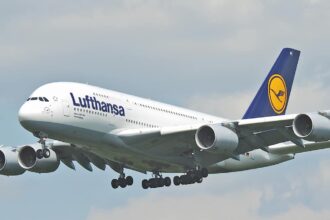
Airlines have expressed particular concern about jet fuel supply. Asked about the possibility of easing regulations to allow greater imports from the United States or increasing ethanol blending in automotive fuels, Jorgensen said the EU is “not yet in a position to adjust or change existing rules.” The EU and the US have different jet fuel standards, with freezing points set at -47°C in the EU and -40°C in the US.
However, he added: “We are examining all options. Clearly, as the situation worsens, we will need to more seriously consider the legal tools available to us.”
Activation of Strategic Reserves
Jorgensen also stated that he “would not rule out” another release of strategic energy reserves “if the situation becomes more difficult.” EU member states recently participated in the largest oil release from strategic reserves in history in an effort to curb rising prices.
While he declined to share the EU’s exact analysis on when another release might be necessary, he stressed that the situation is being taken very seriously. “We are ready to act when and if it becomes necessary,” he said.
“We must keep all options open. If, as I expect, this is a prolonged crisis, we will need these tools later,” he added. “This must be done at the right time and in a proportional way.”
Jorgensen also reiterated that there will be no legislative changes this year to halt imports of Russian liquefied natural gas (LNG). He noted that relying on the United States and other partners to secure additional supplies is acceptable, as they operate within a “free market” framework.