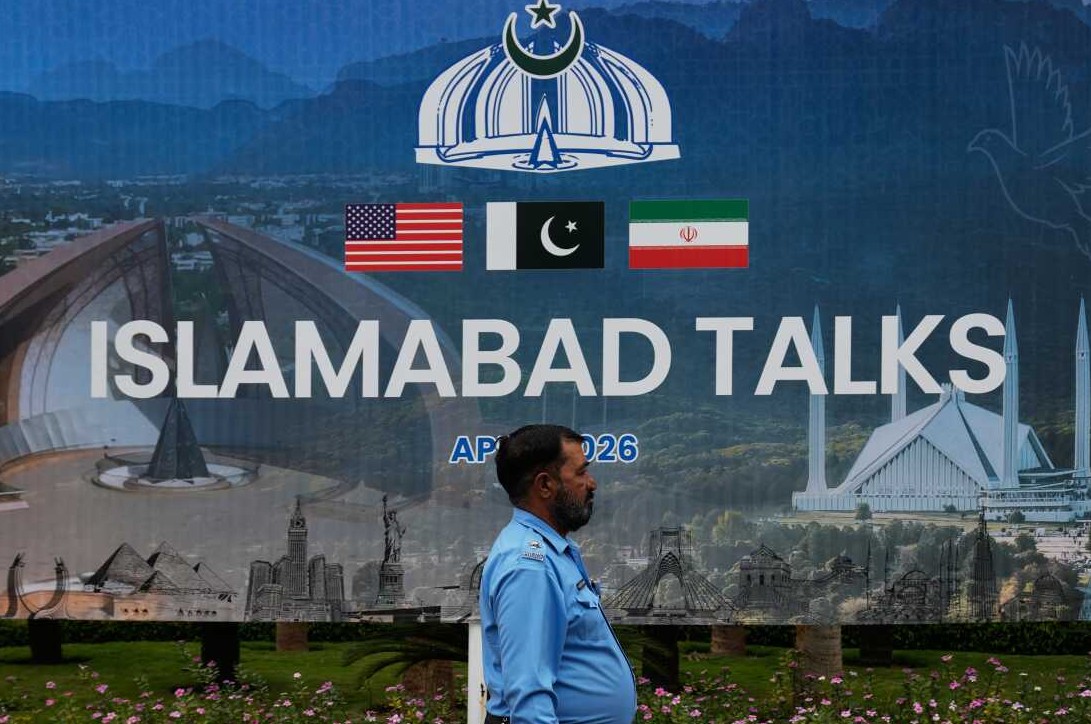
High-level talks between Iran and the United States have officially begun in Islamabad, marking the first direct bilateral meeting of this kind since 1979. The discussions, mediated by Pakistan, come at a critical moment following weeks of regional tensions and a recently declared ceasefire.
Iran Presents Key Conditions
According to statements from Iranian officials, Tehran has outlined a series of conditions as part of a potential agreement framework. Esmail Baghaei, spokesperson for Iran’s Foreign Ministry, emphasized that developments in Lebanon and the broader region will play a significant role in shaping the outcome of the negotiations. He described the current phase as a “complex diplomatic battle,” noting that diplomacy has become a continuation of broader strategic efforts following nearly 40 days of conflict.
Ongoing Coordination and Ceasefire Monitoring
Baghaei stated that Iran remains in close coordination with its armed forces to monitor the ceasefire and respond to any potential violations. He noted that minor breaches were recorded in the initial hours after the ceasefire was announced, but no major incidents have been reported since then. The ceasefire is said to apply across multiple fronts, including Lebanon, which Iranian officials describe as a key factor influencing the overall stability of the region.
Details of the Proposal
Iran’s proposal reportedly includes ten key points, covering a wide range of political and security issues. Among the demands are:
- guarantees of non-aggression
- continued control over the Strait of Hormuz
- recognition of Iran’s right to uranium enrichment
Tehran is also calling for the lifting of U.S. sanctions, the cancellation of certain international resolutions, financial compensation, and the withdrawal of U.S. forces from the region.
Delegations and Diplomatic Efforts
The talks began after separate meetings between both delegations and Pakistan’s Prime Minister Shehbaz Sharif. The U.S. delegation is led by J. D. Vance, with participation from senior officials including Steve Witkoff and Jared Kushner.
On the Iranian side, the delegation includes Mohammad Bagher Ghalibaf, Foreign Minister Abbas Araghchi, and senior diplomat Ali Bagheri Kani. Pakistan is represented by Foreign Minister Ishaq Dar, alongside senior government and military officials.