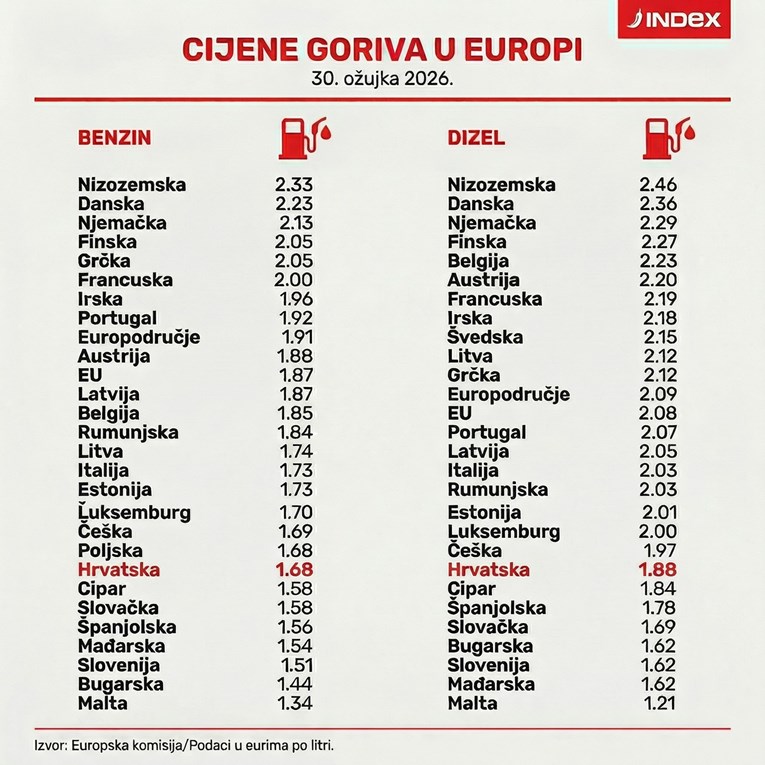
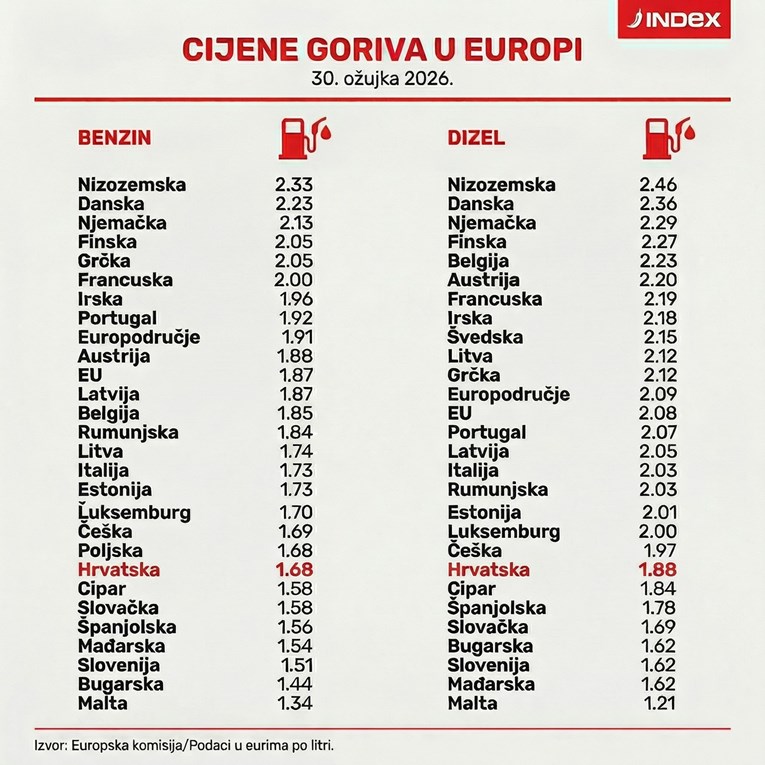
Fuel prices across the European Union continue to show significant differences, with diesel costs rising by as much as 30 percent in certain regions. The increase has created a noticeable imbalance between member states, affecting both consumers and businesses.
One of the main reasons behind the surge is instability in global energy markets. Ongoing geopolitical tensions and supply chain disruptions have contributed to higher production and transportation costs. As a result, fuel prices have become more volatile, with some countries experiencing sharper increases than others.
In addition, tax policies and government regulations play a major role in determining final fuel prices. While some EU countries have introduced temporary measures to ease the burden on citizens, others maintain higher tax rates, leading to greater price differences across borders.
The rise in diesel prices is particularly concerning for the transport and logistics sectors. Companies that rely heavily on fuel are facing increased operational costs, which may eventually lead to higher prices for goods and services. This could have a broader impact on inflation across the region.
Drivers are also adapting to the situation by seeking cheaper fuel options in neighboring countries. Cross-border fuel purchasing has become more common, especially in areas where price differences are significant.
Experts warn that if current trends continue, fuel prices may remain unstable in the coming months. Much will depend on global market conditions, energy supply, and future political developments.