Underneath the surface of Turkey’s Sarıyar Dam, Juliopolis is an ancient city that has been submerged for most of the years after it was flooded in the 1950s. However, in recent years, archaeologists are beginning to say there was much more to the story at this apparent blank space than meets the eye. In fact, they believe that Juliopolis was certainly no backwater, but more a player with strong religious, commercial and economic clout.
The research between 2009 and 2025 proves that the city was located on an important route linking Nicaea and Ancyra. And this was a corridor used by soldiers, merchants, emperors, and pilgrims. Based on a scientific study published this year, this area allowed Juliopolis to remain an important centre in the Late Roman-Early Byzantine period.
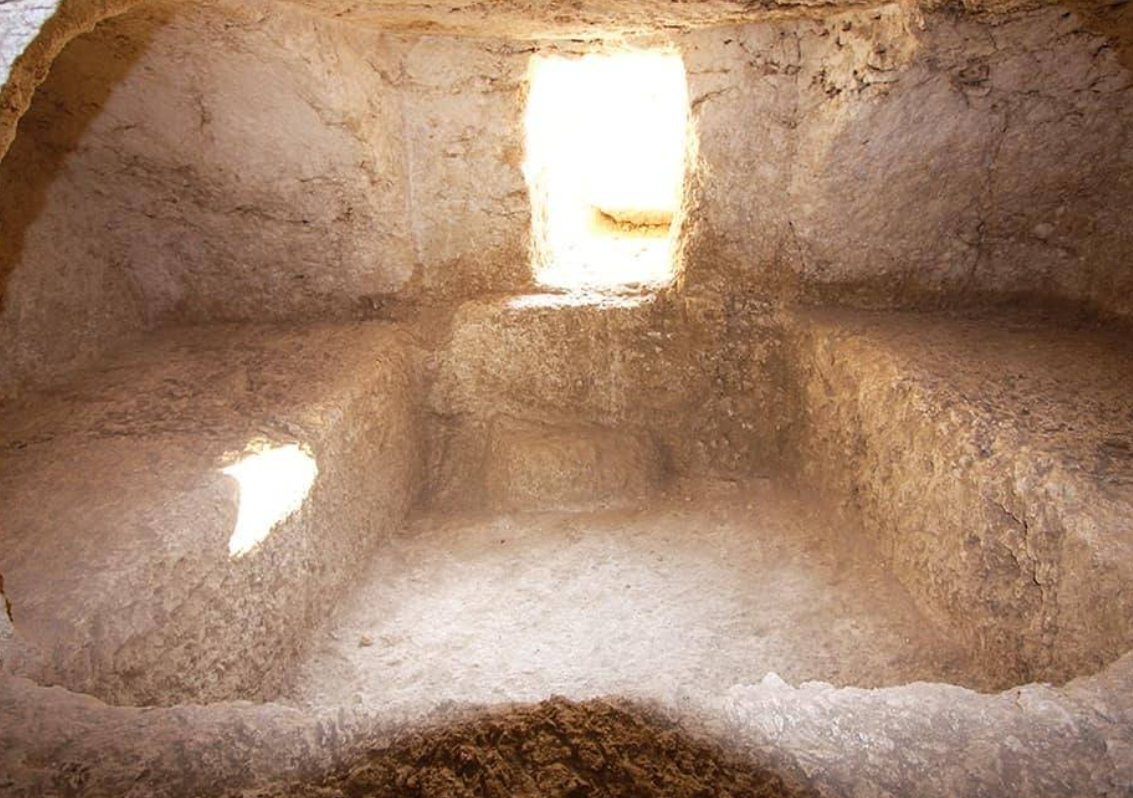
One of the most important discoveries throughout the excavations, revealed in November 2024, was an early Byzantine storage room where five large ceramic vessels were found in situ. One of them had a Latin cross, but the find of some other remains, probably an abbey. According to the researchers, the space was probably employed for the storage of wine, oil or grain, suggesting that it was the agricultural production and not just the coast of the city that kept it alive. Beneath the waters of the Sarıyar Dam in Turkey lies Juliopolis, an ancient city that has remained submerged for decades after most of it was flooded in the 1950s. Yet in recent years, archaeologists have begun to piece together a much larger story at this seemingly lost site—one that suggests Juliopolis was not a minor settlement, but an important urban center with strong religious, commercial, and economic significance.
Research conducted between 2009 and 2025 shows that the city was strategically positioned along a major route connecting Nicaea and Ancyra, a corridor used by soldiers, merchants, emperors, and pilgrims. According to a scientific analysis published this year, this location enabled Juliopolis to remain a vital hub during both the Late Roman and Early Byzantine periods.
Among the most significant discoveries is an early Byzantine storage facility uncovered in November 2024, where five large ceramic vessels were found embedded in place. One of them bore a Latin cross, while additional artifacts discovered nearby suggest the likely presence of a monastic complex in the vicinity. Researchers believe the space was used to store wine, oil, or grain, painting a picture of a city sustained not only by its location but also by organized agricultural production.
However, Juliopolis was far from isolated. Archaeologists have also uncovered ceramics known as African Red Slip Ware, indicating that the city was connected to broader Mediterranean trade networks. At the same time, historical and archaeological evidence shows that Juliopolis served as a bishopric, with a strong presence of church institutions—suggesting that religion was not only a spiritual force, but also a key social and economic pillar.
Thus, beneath a modern reservoir, the image of a city is gradually emerging—one that was far more significant than previously believed. Today, Juliopolis remains underwater, but its history is resurfacing, reminding us that some of the greatest discoveries are found not where things are visible, but where for years it was assumed that everything had been lost forever.