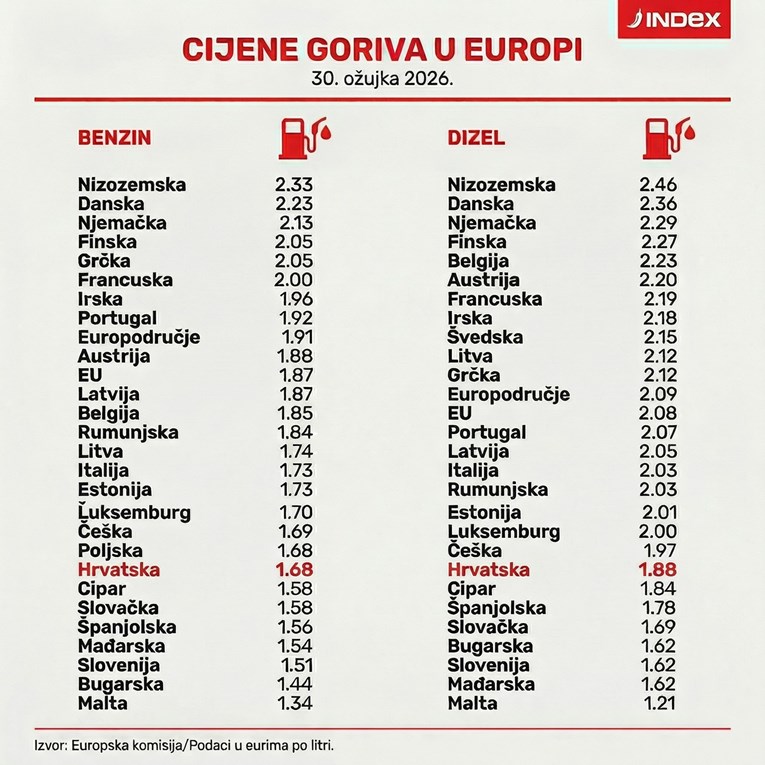
Fuel prices across the European Union are showing significant differences, with diesel costs increasing by up to 30 percent in recent months. The sharp rise has created noticeable disparities between member states, affecting both consumers and businesses.
In recent weeks, drivers across Europe have started to feel the impact directly at fuel stations, where prices vary widely depending on the country. While some regions maintain relatively stable costs, others are experiencing record-high fuel prices.
Why Fuel Prices Are Rising
The increase in diesel prices is largely driven by instability in global energy markets. Ongoing geopolitical tensions, combined with supply chain disruptions, have contributed to higher production and transportation costs.
In addition, fluctuations in oil supply and demand continue to influence fuel pricing across Europe. As global markets react to uncertainty, price volatility remains a key concern for both governments and consumers.
Price Differences Across EU Countries
Despite being part of a single market, fuel prices differ significantly across EU member states. Recent estimates suggest that average diesel prices are around €2.00 per liter, with some countries reporting prices as low as €1.20, while others exceed €2.40.
These differences are influenced by national tax policies, energy regulations, and local market conditions. In some countries, government measures help limit price increases, while in others, higher taxes contribute to more expensive fuel.
As a result, cross-border fuel purchasing has become more common, especially in regions where price gaps are substantial.
Impact on Households and Businesses
Rising diesel prices are placing increasing pressure on households, particularly those that rely on daily commuting. Higher fuel costs are reducing disposable income and forcing many families to adjust their budgets.
The transport and logistics sectors are also heavily affected. Companies that depend on fuel for operations are facing higher costs, which may eventually lead to increased prices for goods and services. This contributes to broader inflationary pressure across the region.
What to Expect Next
Experts warn that fuel prices may remain unstable in the coming months, especially if global market conditions do not improve. Much will depend on energy supply, geopolitical developments, and policy responses from governments.