
Many people sacrifice rest in order to work longer hours, stay connected online, or manage busy schedules. However, growing research and public awareness are beginning to change that perception. In today’s fast-paced world, sleep is often treated as optional.
Sleep is no longer viewed as simply a way to recharge—it is increasingly recognized as one of the most important factors for overall health. From mental clarity to physical well-being, the quality of sleep can influence nearly every aspect of life.
The Science Behind Sleep
Sleep plays a critical role in how the body and mind function. During sleep, the body goes through several cycles that support recovery, memory processing, and hormone regulation.
For example, deep sleep is essential for physical repair. Muscles recover, tissues regenerate, and the immune system strengthens. At the same time, the brain processes information, helping to consolidate memories and improve learning.
Without sufficient sleep, these processes are disrupted, leading to both short-term and long-term consequences.
Why Modern Life Disrupts Sleep
Despite its importance, many people struggle to get enough rest. One of the main reasons is the structure of modern life.
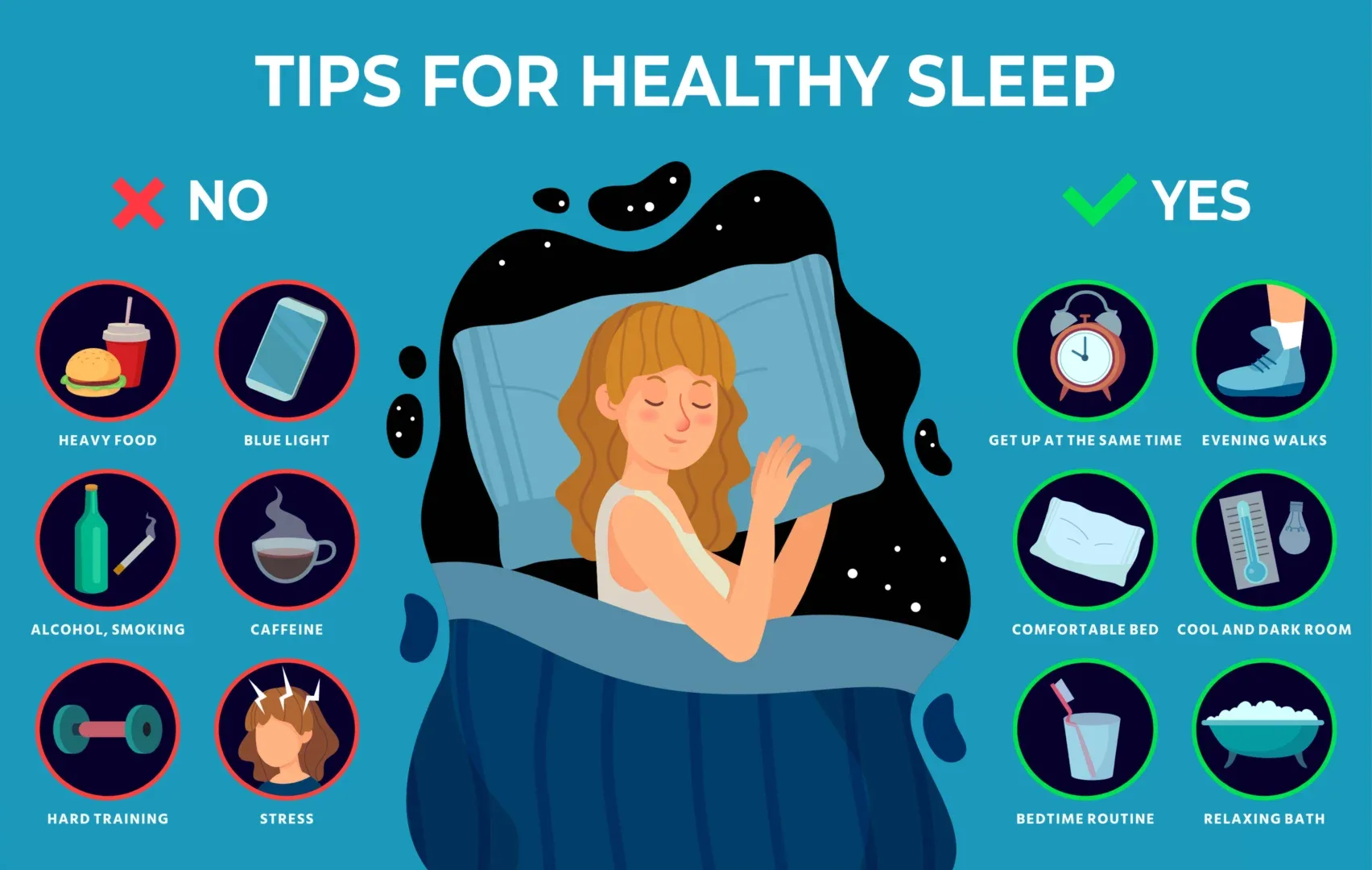
Long working hours, irregular schedules, and constant exposure to screens all contribute to poor sleep quality. The blue light emitted by phones and computers can interfere with the body’s natural sleep cycle, making it harder to fall asleep.
Stress is another major factor. When the mind is constantly active, it becomes difficult to relax and transition into restful sleep. Over time, this can lead to chronic sleep problems.
The Impact on Mental Health
Sleep and mental health are closely connected. Poor sleep can increase stress, anxiety, and irritability, while good sleep supports emotional stability and resilience.
People who consistently get enough rest tend to have better focus, improved mood, and stronger coping abilities. On the other hand, sleep deprivation can make everyday challenges feel more overwhelming.
This connection has led many experts to consider sleep as a foundational element of mental health, rather than just a supporting factor.
Physical Health Benefits of Better Sleep
The effects of sleep extend far beyond the mind. Quality rest is essential for maintaining physical health as well.
Adequate sleep supports the immune system, helping the body defend against illness. It also plays a role in regulating metabolism and maintaining a healthy weight.
In addition, sleep contributes to heart health. Poor sleep patterns have been linked to increased risk of cardiovascular issues, making rest an important part of long-term health maintenance.
Simple Habits to Improve Sleep
Improving sleep does not always require drastic changes. In many cases, small adjustments can lead to noticeable improvements.
Establishing a consistent sleep schedule is one of the most effective strategies. Going to bed and waking up at the same time each day helps regulate the body’s internal clock.
Creating a relaxing bedtime routine can also make a difference. This might include reading, listening to calming music, or reducing screen time before sleep.
Other helpful habits include:
Keeping the bedroom dark and quiet
Avoiding caffeine late in the day
Limiting heavy meals before bedtime
Getting regular physical activity
These steps can gradually improve both sleep quality and duration.
Technology is often seen as a major cause of sleep problems, but it can also be part of the solution. Sleep tracking apps and wearable devices can provide insights into sleep patterns, helping individuals understand and improve their habits.
At the same time, it is important to use technology wisely. Reducing screen exposure before bedtime and setting boundaries around device use can help minimize its negative impact.
The goal is not to eliminate technology, but to use it in a way that supports healthy routines.
A Cultural Shift Toward Rest
In recent years, there has been a noticeable shift in how people view sleep. What was once seen as a sign of laziness is now recognized as a key component of productivity and well-being.
Companies are beginning to acknowledge the importance of rest, with some encouraging flexible schedules or promoting work-life balance. At the same time, public conversations around health are increasingly emphasizing the role of sleep.
This cultural change reflects a growing understanding that rest is not a luxury—it is a necessity.
What Happens When Sleep Improves
When people begin to prioritize sleep, the benefits can be immediate and long-lasting. Improved focus, better mood, and increased energy are often the first changes noticed.
Over time, consistent sleep can lead to improved overall health, stronger relationships, and a greater sense of balance. Tasks that once felt overwhelming may become more manageable, and daily life can feel more structured and controlled.