As the summer season approaches, Greece is once again preparing to welcome millions of tourists from across Europe and beyond. Known for its beautiful beaches, historic landmarks, and vibrant nightlife, the country remains one of the most popular holiday destinations.
However, alongside the growing number of visitors, authorities are introducing stricter regulations aimed at protecting local communities, cultural heritage, and the environment. Travelers are now being urged to pay closer attention to local rules, as violations can lead to significant fines.
Understanding these regulations is essential for anyone planning a trip to Greece this summer.
Why Greece Is Introducing Stricter Rules
The increase in tourism over recent years has brought both economic benefits and new challenges. Overcrowding, environmental damage, and disruptive behavior have become growing concerns in many popular destinations.
Greek authorities are now taking steps to ensure that tourism remains sustainable. The goal is not to discourage visitors, but to encourage responsible behavior that respects local laws and preserves the country’s natural and cultural resources.
In many cases, the new rules are designed to address specific problems that have become more noticeable during peak travel periods.
Noise Restrictions and Daily “Quiet Hours”
One of the most important rules tourists should be aware of is the enforcement of strict “quiet hours” during the summer months.
These regulations apply both during the day and at night. In particular, the traditional afternoon rest period—known as the siesta—is protected by law. During these hours, loud music, shouting, and other forms of noise are prohibited.
In 2026, Greece introduced a clear schedule for these restrictions, including a daytime quiet period and a nighttime ban on excessive noise. Violating these rules can result in fines or even legal consequences.
This regulation applies not only to residents but also to tourists, including those staying in hotels, apartments, and holiday rentals.
Environmental Protection and Beach Regulations
Protecting the natural environment is another key priority for Greek authorities. Tourists are increasingly being warned not to damage or remove natural elements from beaches and protected areas.
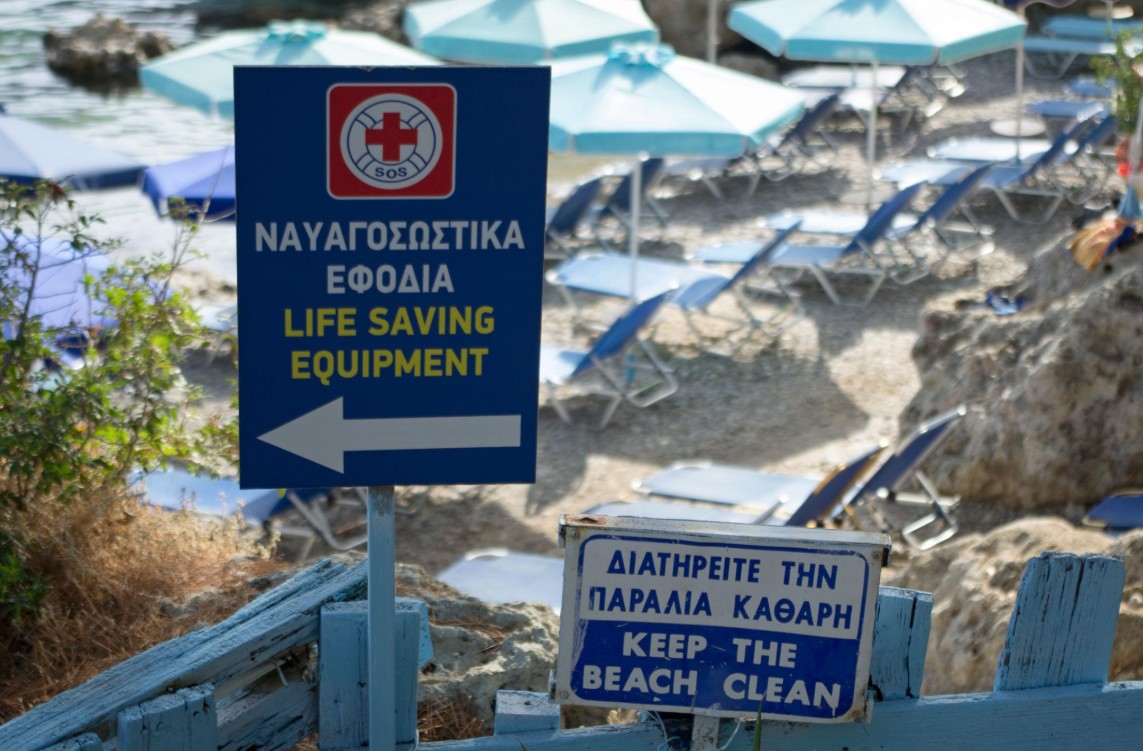
For example, taking items such as stones or shells from certain locations can result in penalties, as these materials are considered part of protected ecosystems. In addition, rules regarding beach use are becoming stricter. Authorities are working to ensure that large portions of beaches remain accessible to the public, limiting excessive commercial use. These measures are part of a broader effort to preserve Greece’s coastline and prevent long-term environmental damage.
Fines for Inappropriate Behavior
Tourists should also be aware that certain behaviors that may seem harmless can lead to fines in Greece.
Examples include:
- excessive noise during restricted hours
- disrespectful behavior near cultural or historical sites
- improper conduct in public spaces
Authorities in popular tourist destinations have increased monitoring during the summer season to ensure that rules are followed. In some areas, even activities such as walking around cities in inappropriate clothing or engaging in disruptive behavior can result in penalties.
Local Laws That Tourists Often Overlook
Many travelers are unaware of certain local laws that can have serious consequences if ignored.
For instance:
- removing objects from archaeological sites is strictly prohibited
- unauthorized photography of certain locations can lead to legal issues
- carrying prohibited items can result in fines or detention
These rules are not always obvious, especially for first-time visitors, which is why awareness is crucial.
Rising Costs and Increased Demand
At the same time, tourism demand in Greece continues to grow, which adds another layer of complexity. Rising travel costs, increased demand for accommodation, and higher energy prices are all contributing to a more expensive holiday experience. This means that tourists are not only facing stricter rules but also higher overall expenses, making it even more important to plan carefully and avoid unnecessary fines.
How Tourists Can Stay Safe and Avoid Problems
Despite the stricter regulations, visiting Greece remains a safe and enjoyable experience for most travelers.
To avoid issues, tourists are advised to:
- respect quiet hours and local customs
- follow rules at beaches and historical sites
- stay informed about local regulations
- behave responsibly in public spaces
Greece is generally considered a safe destination, but like any popular tourist location, it is important to remain aware of surroundings and follow basic safety guidelines. Taking a few simple precautions can help ensure a smooth and stress-free holiday.
A Shift Toward Responsible Tourism
The introduction of stricter rules reflects a broader trend across Europe toward responsible tourism. Countries are increasingly focused on balancing economic benefits with environmental protection and quality of life for local residents. For tourists, this means adapting to new expectations and understanding that travel is not just about relaxation, but also about respect for the destination.