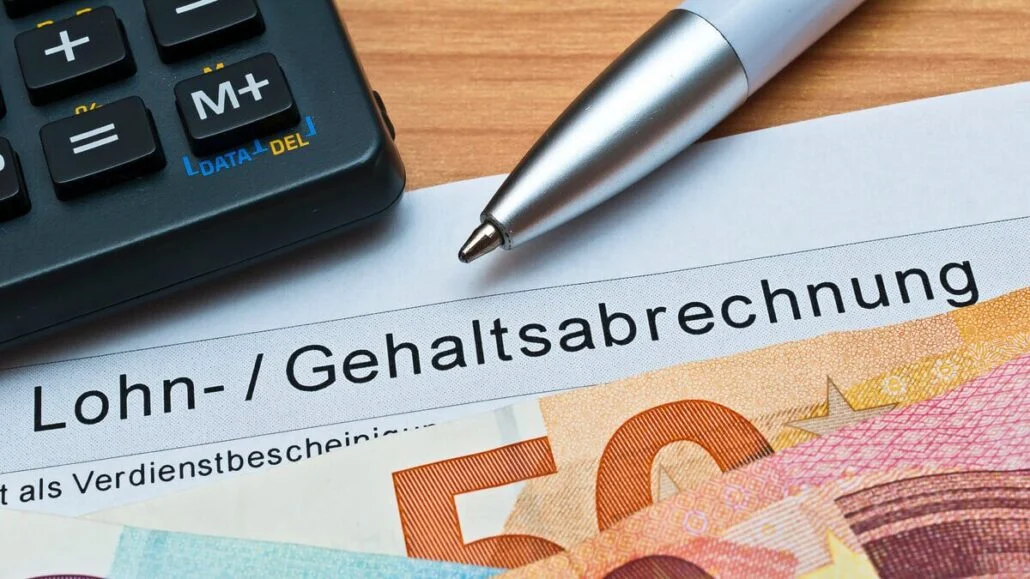
The plan of the German government to introduce a tax-free bonus of 1,000 euros for employees met with strong resistance from employers, medium-sized enterprises and taxpayer associations. Although it supposed to be a measure for easing the burden on citizens, critics warn that the financial burden is actually being shifted to the companies.
According to the proposal of the ruling coalition, employers should pay employees a one-time bonus, which already met with strong reactions in the business community.
Employers: “We have no way to pay them”
Employer representatives warn that many companies already work in difficult conditions with increased costs and lowered revenues. They believe that with this, the state avoids its responsibility to ease the burden on citizens, German media write.
“We would be happy to pay the bonus, if we had money,” say medium-sized companies and emphasize that the proposal is unrealistic in these circumstances.
Some large companies express a similar position and for now they don’t plan to pay the bonus, although they say that there is a possibility of reconsidering the decision once all the details are known.
Criticism from medium-sized enterprises and industry
The loudest resistance comes from medium-sized companies. Representatives of this sector estimate that this measure could destabilize business even more and could be a reason for dissatisfaction among companies.
They also say that companies’ options are limited and additional costs in this time of crisis could have serious consequences.
Experts expect the interest in paying this bonus to be dramatically lower than in 2022, when a similar measure was introduced because of the increased cost of living.
One of the reasons is that this time employers and unions were not part of the decision-making process, and in 2026, in many sectors there will be no collective negotiations through which the payment of the bonus could be agreed.
Another problem is the limited period of time for implementing the measure. Employers, as well as unions, believe that the deadline is too short and because of that they are asking for its extension.
They warn that without proper framework many companies will not be able to consider the payment of the bonus.
The criticism has also been leveled up by the taxpayers’ association which says that the proposal is unrealistic. They point out that this is a promise that is ultimately financed by the companies, and not by the state.
Instead, they propose other relief measures like tax breaks for workers, that would not further burden the economy.