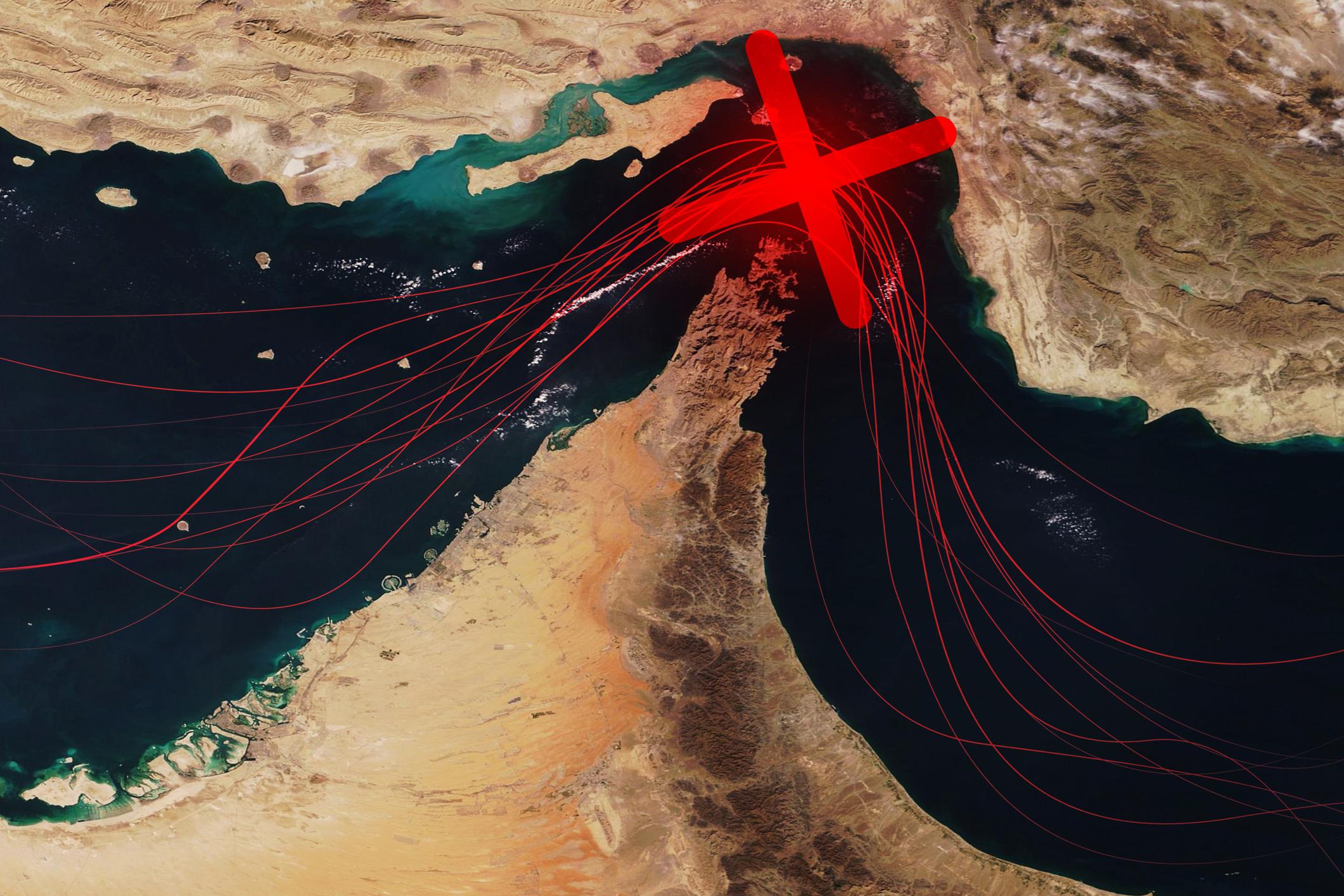
Global oil prices jumped sharply after U.S. President Donald Trump signaled the possibility of a naval blockade in the strategically critical Strait of Hormuz.
This narrow passage, connecting the Persian Gulf with the Indian Ocean, is one of the most important energy corridors in the world. A significant share of global oil and gas shipments pass through it, making any disruption a major concern for international markets.
Why are oil prices rising?
The spike in prices is driven by growing fears of escalating tensions between the United States and Iran. Analysts warn that even a temporary disruption in shipping through the Strait of Hormuz could severely impact global supply.
Markets tend to react quickly to geopolitical risks, and the mere possibility of restricted access has already pushed traders to price in potential shortages.
How serious is the situation?
The Strait of Hormuz is widely considered one of the world’s most sensitive geopolitical chokepoints. While a full blockade remains unlikely, even limited incidents—such as military threats or attacks—can create uncertainty and increase the cost of transporting oil.
In such scenarios, shipping slows down, insurance costs rise, and supply chains become less predictable, all of which contribute to higher global prices.
Energy markets are closely monitoring developments in the region. If tensions continue to escalate, oil prices could rise even further, potentially affecting fuel costs, transportation, and inflation worldwide.
Experts emphasize that any new move in the region could quickly shift the situation, triggering another wave of volatility across global markets.