
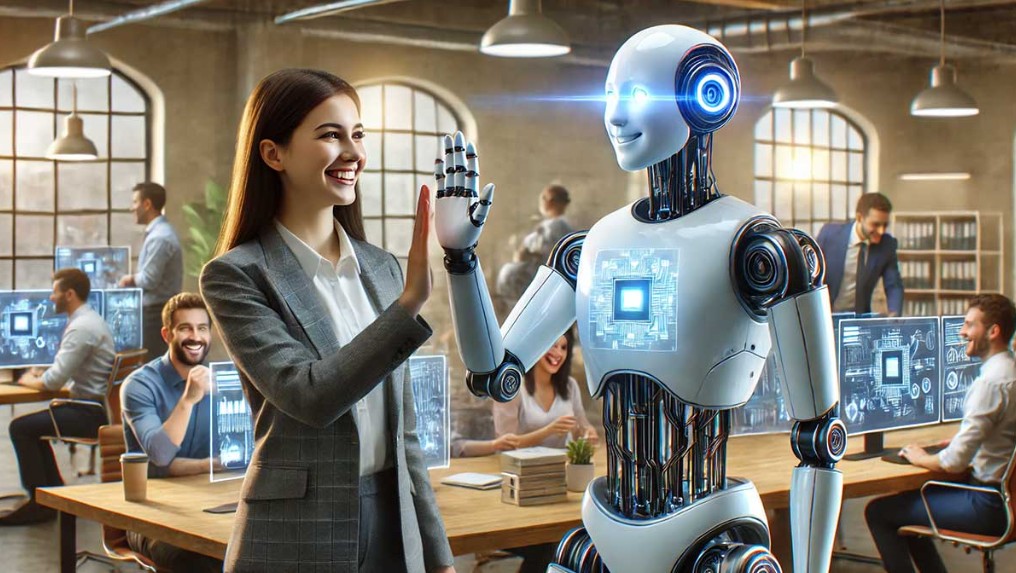
Artificial intelligence is reshaping the global workforce in 2026, changing job roles, required skills, and the future of employment. AI is no longer a concept of the future—it is actively transforming the global workforce in 2026. Across industries, AI is changing how work is performed, what skills are required, and how companies operate.
Which is the most visible impact?
One of the most visible impacts of AI is automation. Repetitive and routine tasks are increasingly being handled by intelligent systems, allowing employees to focus on more complex and creative work. This shift is particularly evident in sectors such as customer service, data analysis, and logistics.
At the same time, new job opportunities are emerging. Roles related to AI development, data science, and digital strategy are in high demand. Companies are investing in talent that can understand and manage advanced technologies, creating a new layer of specialized professions.
Ethninacal use
However, this transformation also raises concerns. Workers in traditional roles may face challenges adapting to new technologies, especially if they lack access to training or education. This has led to a growing emphasis on reskilling and lifelong learning.
Educational institutions and employers are responding by offering training programs designed to bridge the skills gap. Online courses, certifications, and workplace training are becoming essential tools for career development.
Another important aspect is the ethical use of AI. As technology becomes more integrated into decision-making processes, questions about fairness, transparency, and accountability are becoming increasingly relevant.