Inflation remains one of the most pressing economic challenges across Europe in 2026 – as rising costs continue to affect both households and businesses. While some countries have managed to stabilize prices, others are still experiencing noticeable increases in the cost of living.
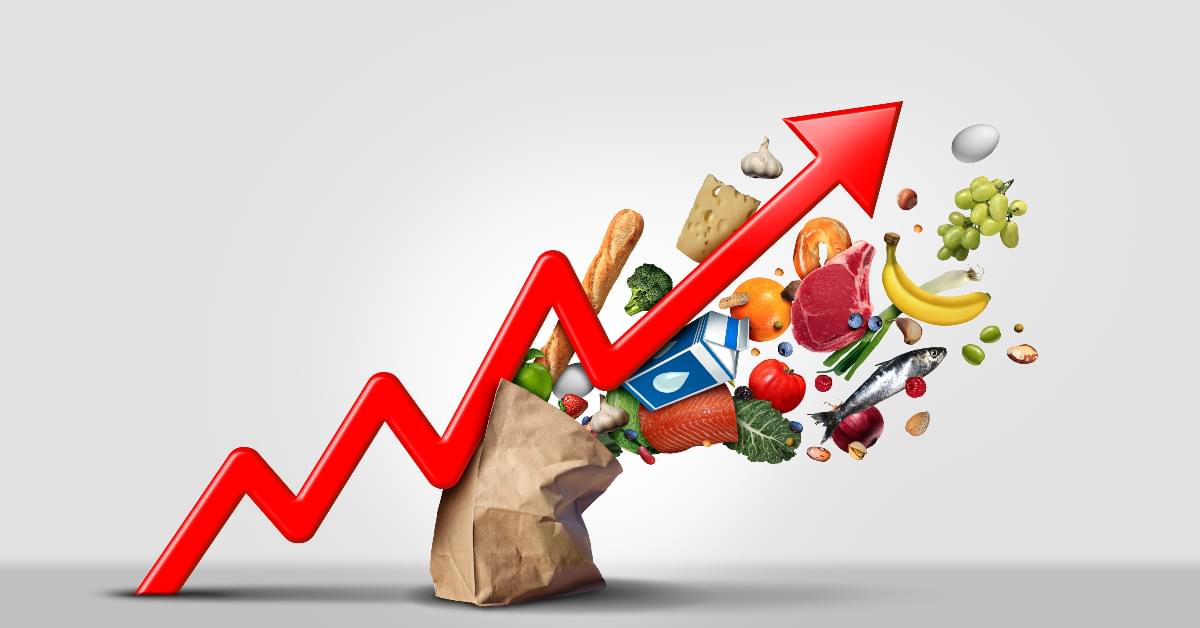
For many households, the impact is immediate and tangible. Food, energy, and transportation costs have all seen steady increases, forcing families to rethink their monthly budgets. Essentials that were once affordable are now taking up a larger portion of income, leaving less room for savings or discretionary spending.
Energy prices, in particular, continue to play a major role in overall inflation. Fluctuations in global energy markets, combined with regional supply challenges, have created ongoing uncertainty. As a result, utility bills remain higher than in previous years, especially during seasonal peaks.
Businesses feeling the pressure
Businesses are also feeling the pressure. Small and medium-sized enterprises are facing higher operational costs, from raw materials to logistics. Many companies have had to adjust pricing strategies, which in turn contributes to the broader inflation cycle.
Central banks across Europe are closely monitoring the situation. Interest rate policies remain one of the main tools used to control inflation, but they also come with trade-offs, such as slower economic growth and reduced consumer spending.
Despite these challenges, some economists point to signs of gradual stabilization in certain sectors. However, recovery is expected to be uneven, with different regions experiencing varying levels of economic pressure.