The coalition led by Germany, namely representatives of the CDU/CSU and SPD parties, after lengthy negotiations agreed on several measures aimed at mitigating the consequences of the war in Iran.
Ministers from these two parties have long been trying to reach an agreement on concrete measures that would ease the impact of this conflict, which is being felt worldwide. In the end, intensive negotiations were held over the past weekend, and government representatives managed to reach an agreement on the measures, which they revealed today.
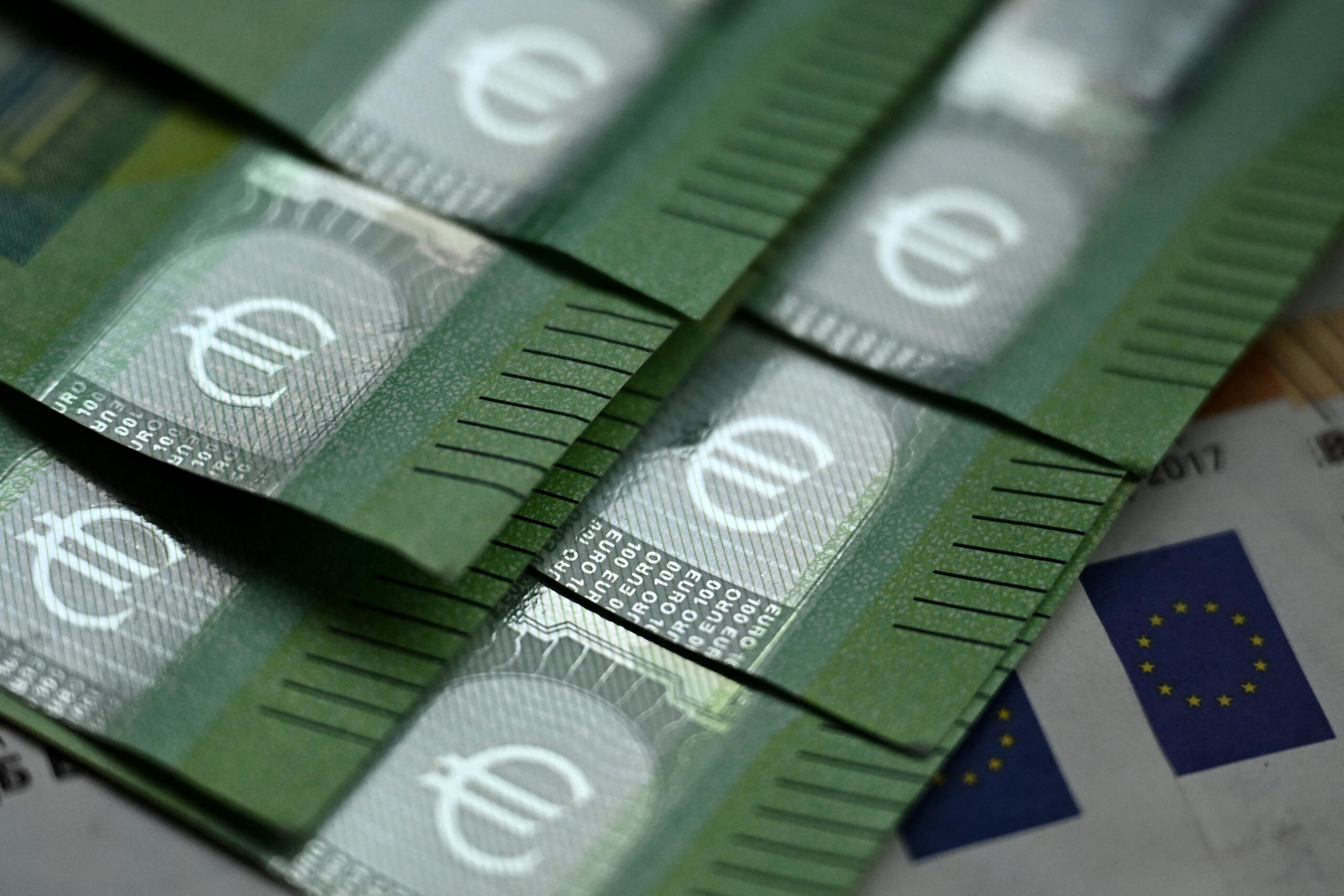
First, Germany will temporarily reduce the fuel tax by 17 cents per liter, and this measure will last for at least two months. Additionally, companies will be able to make a one-time payment of a €1,000 bonus to their employees, which will not be taxed. The bonus is not mandatory and will depend on individual employers.
The ruling coalition announced that in the coming weeks it will present a long-term proposal to reduce taxes for citizens with low and middle incomes. They also intend to adopt a systemic reform of the healthcare system in parliament by the summer, in order to ease the burden on German employers in light of the rapidly aging population.
The coalition also confirmed its intention to fight in Brussels for additional easing of emissions targets for car manufacturers, rejecting the European Commission’s proposal on small cars, as well as the proposal to introduce an obligation for compensation for additional emissions.
Economic Context Behind the Measure
The introduction of tax-free bonuses comes at a time when households across Germany continue to face increasing financial pressure. Rising energy costs, higher food prices, and overall inflation have significantly impacted purchasing power, particularly among low- and middle-income workers.
Although inflation has shown signs of stabilizing in recent months, the cumulative effect of price increases over the past year is still being felt. For many families, everyday expenses remain noticeably higher than before, making additional financial support measures an important tool for maintaining stability.
The government’s decision to allow tax-free bonuses reflects an effort to provide immediate relief without introducing permanent fiscal commitments. Unlike long-term wage increases, which can create sustained pressure on employers, one-time payments offer flexibility while still delivering tangible support to workers.
How the Bonus Could Be Implemented in Practice
While the measure allows companies to grant bonuses of up to €1,000, it is important to note that participation is voluntary. This means that not all employees will necessarily receive the payment, as the final decision rests with individual employers.
Larger companies with stronger financial positions are more likely to take advantage of this option, especially in sectors where competition for skilled labor remains high. In such cases, bonuses can serve not only as financial support but also as a tool for employee retention and motivation.
Smaller businesses, however, may face limitations due to tighter budgets. For them, even a one-time payment can represent a significant expense, particularly in industries still recovering from recent economic challenges.
Despite these differences, the flexibility built into the measure allows companies to tailor their approach based on their financial capacity, which increases the likelihood of broader adoption across the economy.
Impact on Workers and Household Finances
For employees, a tax-free bonus of €1,000 represents a meaningful addition to their income. Because the payment is not subject to taxation, workers receive the full amount, maximizing its immediate impact.
This extra income can help cover essential expenses such as utilities, rent, or groceries, especially during periods of economic uncertainty. In some cases, it may also provide an opportunity for households to rebuild savings that were depleted during earlier periods of financial strain.
Beyond the direct financial benefit, such measures can also have a psychological effect. Knowing that employers and policymakers are taking steps to support workers can improve overall confidence and reduce uncertainty about the future.
Business Perspective and Economic Effects
From a business standpoint, the introduction of tax-free bonuses offers both opportunities and challenges. On one hand, it provides companies with a flexible way to support employees without committing to permanent wage increases. This can be particularly valuable in uncertain economic conditions, where long-term financial planning remains complex.
On the other hand, companies must carefully balance the cost of these payments with their broader financial strategies. For some industries, especially those heavily affected by rising energy costs or supply chain disruptions, even temporary expenses require careful consideration.
At a broader level, the measure could have a positive impact on the economy by boosting consumer spending. When workers receive additional income, they are more likely to spend it, which can support businesses and contribute to overall economic activity.
Part of a Wider Policy Approach
The bonus initiative is not an isolated measure but part of a broader strategy aimed at addressing the economic consequences of recent global developments. Governments across Europe have introduced similar policies to cushion the impact of inflation and energy market volatility.
In Germany’s case, the focus appears to be on combining short-term relief with longer-term structural reforms. By allowing temporary bonuses while planning broader tax reductions and healthcare reforms, policymakers are attempting to strike a balance between immediate support and sustainable economic management.
This layered approach reflects the complexity of the current economic environment, where no single measure is sufficient to address all challenges.
Looking Ahead
While the introduction of tax-free bonuses provides short-term relief, its long-term effectiveness will depend on how economic conditions evolve. If inflation pressures persist, additional measures may be required to support both households and businesses.
At the same time, the success of this initiative will likely be measured by its uptake among companies and its impact on consumer confidence. If widely adopted, it could play a meaningful role in stabilizing the economy during a period of uncertainty.