
The idea of earning money without constantly working more hours sounds almost impossible for most of people. However, passive income has become an increasingly popular financial goal, especially as more individuals look for ways to improve their financial security.
Passive income does not mean making money without effort. Instead, it involves building systems or investments that generate income over time with minimal ongoing work. While it often requires an initial investment of time, money, or skills, the long-term benefits can be significant.
Understanding how passive income works is the first step toward creating additional financial stability.
What Is Passive Income?
Passive income refers to money earned with limited active involvement after the initial setup. Unlike a traditional job, where income depends on hours worked, passive income continues to generate earnings even when you are not actively working.
Examples include rental income, dividends from investments, or earnings from digital products. The key difference is that these income streams can continue over time without constant effort.
This concept has gained popularity because it offers flexibility and the potential for long-term growth.
Why Passive Income Matters
Relying on a single source of income can be risky. Unexpected events such as job loss or economic changes can quickly affect financial stability. Passive income provides an additional layer of security. It can help cover expenses, reduce financial stress, and create more freedom in decision-making. For some, it becomes a path toward financial independence. For others, it simply offers extra support in managing everyday costs.
Popular Ways to Build Passive Income
There are many ways to create passive income, and the right option depends on individual circumstances.
1. Investing in Stocks and Dividends
Investing in dividend-paying stocks allows individuals to earn regular income from their investments. While market risks exist, long-term strategies can provide stable returns.
2. Real Estate
Owning rental property is one of the most traditional forms of passive income. Rent payments can provide consistent monthly income, although property management may require some effort.
3. Digital Products
Creating online content such as e-books, courses, or templates can generate income over time. Once created, these products can be sold repeatedly without additional production costs.
4. Affiliate Marketing
By promoting products or services online, individuals can earn commissions on sales. This method has become increasingly popular with the growth of digital platforms.
The Importance of Starting Small
One of the biggest misconceptions about passive income is that it requires large investments. While some methods do require capital, many can be started on a smaller scale. For example, investing can begin with small amounts, and digital content can be created with minimal cost. The key is consistency and gradual growth.
Starting small also reduces risk and allows individuals to learn and adjust their approach over time. Building passive income is not immediate. It often takes time, effort, and patience before results become visible.
Many people give up too early because they expect quick returns. In reality, passive income is a long-term strategy. There are also risks involved, particularly with investments. Understanding these risks and making informed decisions is essential. Being realistic about expectations can help maintain motivation and avoid disappointment.
Managing Time and Resources
Creating passive income requires an initial investment of time and effort. Balancing this with existing responsibilities can be challenging. Setting clear goals and prioritizing tasks can make the process more manageable. Even dedicating a few hours per week can lead to progress over time.
The focus should be on building systems that eventually reduce the need for constant involvement.
Long-Term Benefits of Passive Income
Once established, passive income can provide significant long-term benefits. It can create financial flexibility, reduce dependence on a single job, and support future goals. For some individuals, it allows more time for personal interests or family. For others, it becomes a foundation for larger financial plans. Over time, multiple income streams can combine to create a stable and resilient financial situation.
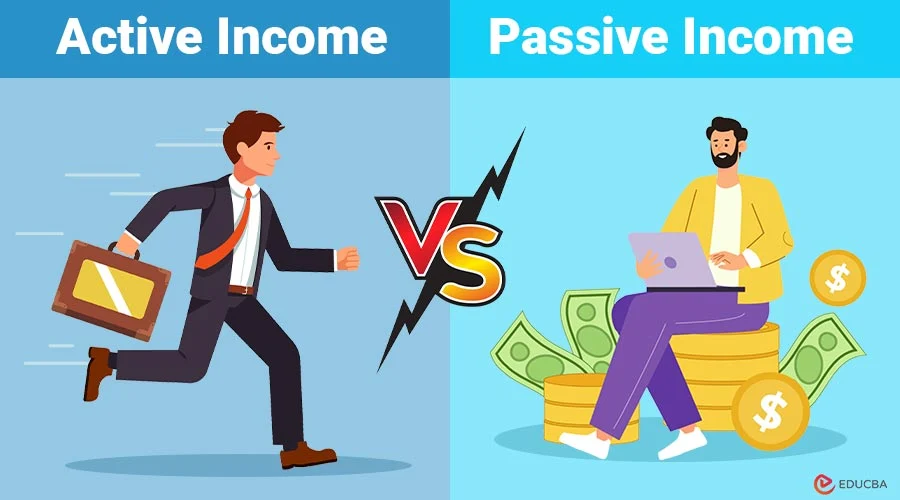
Active vs Passive Income: What’s the Difference?
Understanding the difference between active and passive income is essential for building a balanced financial strategy.
Active income is the money you earn by working. This includes salaries, hourly wages, freelance work, and any type of income that requires your direct and continuous effort. In this model, your earnings are closely tied to the amount of time and energy you invest.
For example, if you stop working, your active income usually stops as well. This is why many people feel financially limited, as there are only so many hours in a day.
On the other hand, passive income works differently. It is designed to generate earnings over time, often with less day-to-day involvement after the initial setup.
Examples of passive income include:
- earnings from investments
- rental income
- income from digital products
- affiliate commissions
While passive income often requires effort at the beginning, the goal is to create a system that continues to generate money with minimal ongoing work.
Why the Difference Matters
The distinction between active and passive income is important because it directly affects financial flexibility and long-term stability. Relying only on active income can be risky. If your ability to work is interrupted, your income may be affected. This is why many financial experts recommend building at least one additional income stream.
Passive income, on the other hand, can provide support even when you are not actively working. It can help cover expenses, reduce financial pressure, and create more opportunities for growth. For most people, the goal is not to replace active income immediately but to gradually build passive income alongside it.
Active income provides stability and immediate cash flow, while passive income offers long-term potential. Combining both can create a more secure and flexible financial situation. Over time, even a small passive income stream can grow into a meaningful source of support.
Final Thoughts on Income Strategies
Understanding how these two types of income work together can help individuals make better financial decisions. Instead of relying on a single source, building multiple streams of income can provide greater security and independence.
In the end, the key is not choosing one over the other, but learning how to use both effectively to achieve long-term financial goals.