
Phones, laptops, TVs—it’s all part of daily life. But the effects aren’t always obvious. They build slowly, often without clear warning signs.
The hidden impact on your body
Spending long hours looking at screens can affect posture, eye health, and even sleep quality. The issue isn’t just the time—it’s how that time is spent. Sitting still, focusing on a screen, and limiting movement all add up.
Sleep is often the first thing to suffer
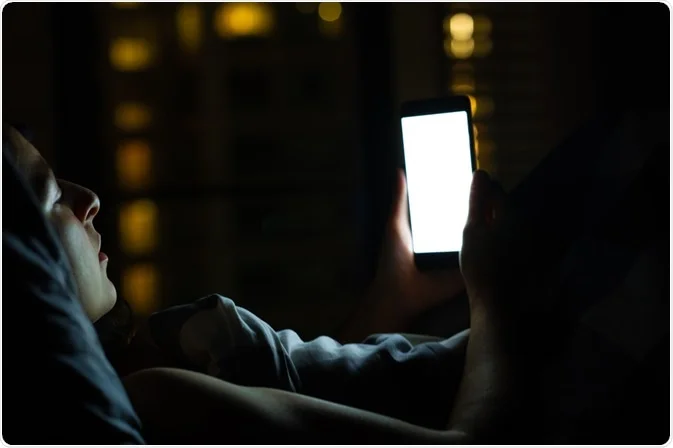
Many people notice they feel more tired, but don’t connect it to screen use. Exposure to light late in the evening can make it harder for the body to switch into rest mode. Over time, this can affect both sleep quality and energy levels.
Mental fatigue is harder to spot
Unlike physical tiredness, mental fatigue builds quietly. Constant notifications, scrolling, and information overload keep the brain active. Even during breaks, many people stay mentally engaged instead of resting.
Small changes that actually help
You don’t need to eliminate screens completely. Simple adjustments can make a difference:
- taking short breaks
- reducing screen use before sleep
- spending time outdoors
- setting limits for certain apps
These changes are easy to start, but powerful over time.
Screens are not the enemy. They are tools.
The goal is not to remove them, but to use them more intentionally. Most people won’t notice the effects of screen time immediately. But over weeks and months, those small habits can shape how you feel, think, and function.
And once you become aware of it, it’s much easier to take control.