
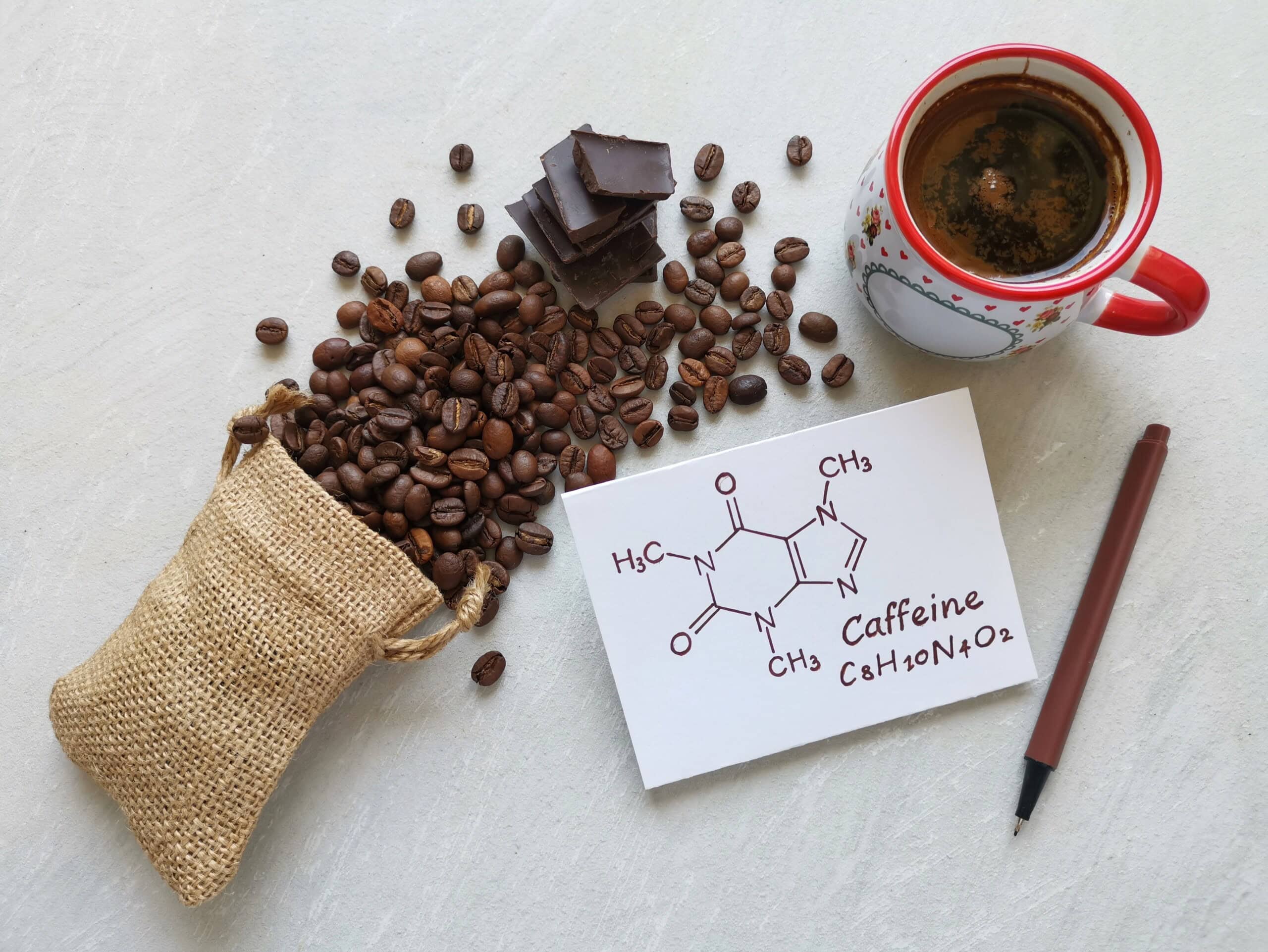
Interesting and useful facts about caffein
Many of us enjoy the world’s most popular hot and cold drink, but did you know that you can overdose on caffeine? And what happens if you start to abstain from caffeine?
The origins of caffeine
Caffeine was first isolated in 1820 by the German chemist Friedlieb, but its origins date back to 2737 BCE in China. The first records of the use of caffeine have been recorded during the reign of the Tang Dinasty in China, when consumption of tea containing caffeine was popular in order to prolong life. Then comes the famous legend from the 9th century when the Ethiopian goatherder Kaldi discovered the effects of coffee beans. Later, in 15th century, Sufi Muslims began to produce coffee because caffeine helped them stay awake during the night prayers. In 17th century coffee spread to Europe and today is considered a “hidden drug” that can be found in many popular drinks and medicines.
And now, here are some more facts about caffeine.
The chemical name for caffeine is 1,3,7-trimethylxanthine.
Caffeine is produced naturally in as many as 60 different plants, including coffee beans, which are the most common source of caffeine, tea leaves, guarana, which is the source of caffeine in energy drinks, and kola nuts.
Caffeine is produced by pressure-digesting the beans and leaves with carbon dioxide. This is how we get caffeine in powder form.
Moderate amounts of caffeine increase dopamine levels, which make us happier, and block adenosine receptors, which reduces drowsiness.
Caffeine also increases the ability to learn, understand, remember, react reflexively and think more clearly.
Caffeine has the same effect on certain parts of the brain as cocaine, heroin, and amphetamines. The difference is that the effects of caffeine are milder than the effects of other substances.
But caffeine also has negative effects. It can cause insomnia because the stimulating effect of caffeine keeps the brain active and blocks the need for sleep. In addition, caffeine is diuretic and causes frequent urination, which is another cause of insomnia. Besides, caffeine speeds up the digestive system and can cause diarrhea.
Athletes have great benefit from caffeine. Only 5 milligrams of caffeine per kilogram of body weight can increase endurance by reducing glucose and improving fat burning. This is why the International Olympic Committee has banned caffeine consumption during competitions.
It is estimated that around 12,000 tons of caffeine are consumed each year, most commonly through coffee and tea. A very small percent of caffeine (3%) is consumed through foods and beverages.
Overdose with caffeine can be fatal. The lethal dose of caffeine is 150-200 milligrams of caffeine per kilogram of body weight. This is equivalent to 100 cups of coffee consumed within 4 hours.
In 2006, a death due to caffeine overdose was recorded after a nineteen-year-old James Stone from Connecticut drank 24 “No-Doz” tablets made from caffeine. The cause of death was reported to be heart attack caused by “caffeine toxicity”.
Caffeine is completely absorbed into the body in 30-45 minutes and its effects last for about 3 hours.
It has been confirmed that caffeine is addictive. Withdrawal begins after 12-24 hours and lasts for 2-9 days. Symptoms include headache, fatigue, depression, irritability, and decreased energy.
Decaffeinated products also contain caffeine. In America, decaffeinated means less than 2.5% caffeine in the product.
During the final days of World War II, Hitler received injections of glucose and caffeine to maintain energy.