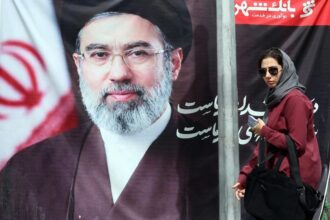
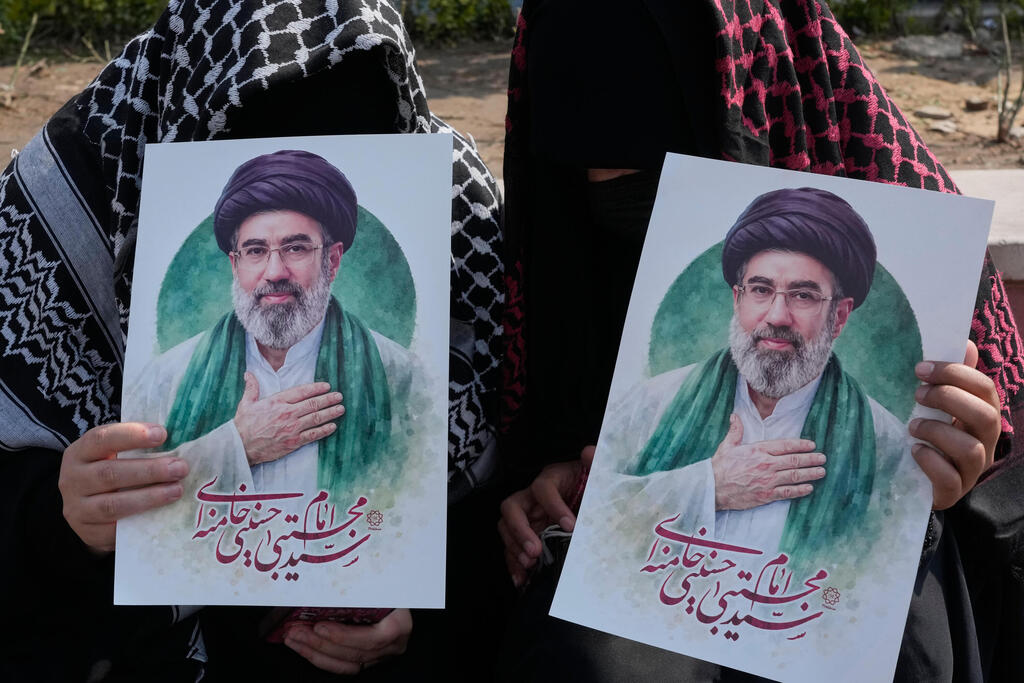
Recent reports citing sources close to Iran’s leadership suggest that Supreme Leader Mojtaba Khamenei may have sustained serious injuries during recent military developments, although the information has not been independently confirmed.
According to reports referenced by Reuters and other international media, citing individuals familiar with the situation, Khamenei is believed to have suffered significant facial injuries as well as severe damage to one or both legs. Some sources have Feven suggested the possibility of long-term physical impairment.
Despite these reports, it is widely stated that the Iranian leader remains mentally stable and continues to play an active role in decision-making processes. Sources indicate that he is communicating with senior officials through secure audio channels and remains involved in key state matters, including ongoing diplomatic efforts and sensitive negotiations.
Conflicting Information and Uncertainty
The situation remains unclear, as different sources provide varying accounts of Khamenei’s condition. While some reports describe serious and potentially disfiguring injuries, others suggest that he is still capable of fulfilling his leadership duties.
Earlier statements from U.S. officials, including Defense Secretary Pete Hegseth, also indicated that the Iranian leader had been seriously wounded during recent attacks, although no visual confirmation has been released.
The lack of public appearances and limited official communication from Tehran have further fueled speculation, with observers noting that the absence of verified information leaves room for uncertainty.
Context: War and Diplomatic Pressure
These developments come at a critical time for Iran, as the country navigates both military tensions and ongoing diplomatic negotiations. High-level talks involving international actors are currently underway, adding further importance to the leadership’s ability to function effectively.
Analysts point out that even limited disruption at the top level of leadership could have broader implications for decision-making during a period of heightened geopolitical pressure.