
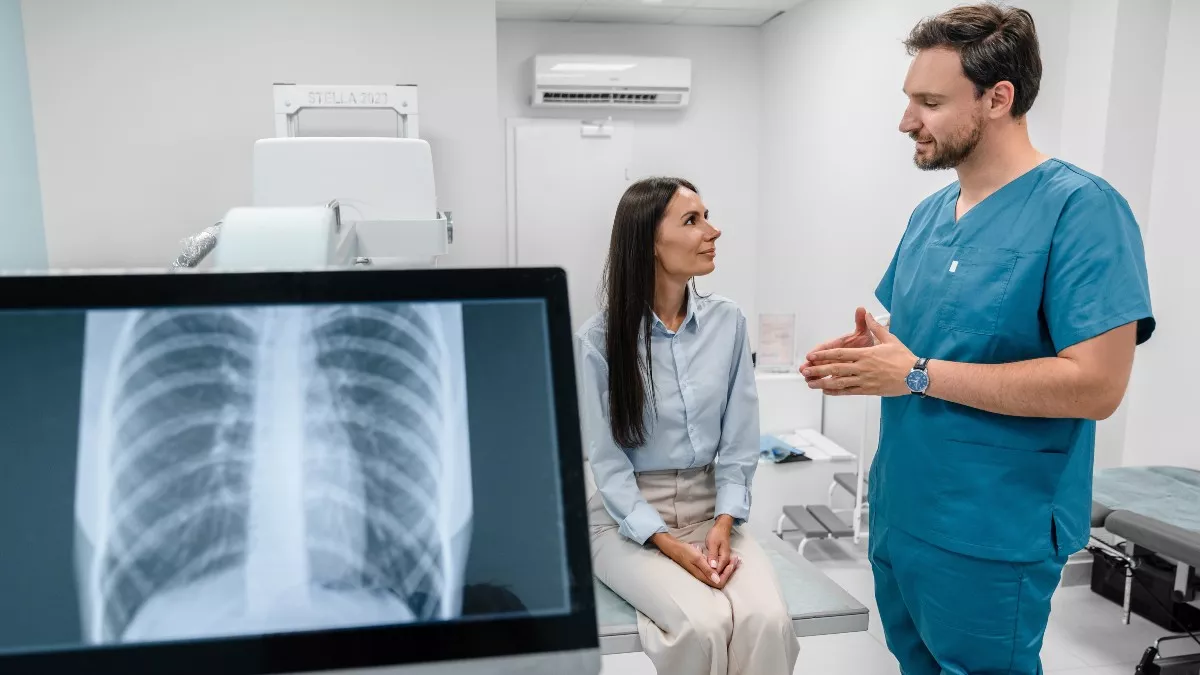
A large proportion of lung cancer patients are facing their diagnosis without adequate psychological support, highlighting a major gap in modern healthcare systems. Experts warn that nearly 7 out of 10 patients do not receive the mental health care they need, despite the significant emotional burden associated with the disease.
Lung cancer is not only a physically demanding illness but also a deeply distressing experience that affects patients’ mental well-being, quality of life, and ability to cope with treatment. Studies show that many patients suffer from anxiety, depression, and emotional stress throughout their journey.
The psychological impact of lung cancer is often underestimated. Patients frequently deal with fear, uncertainty, and even social stigma, which can lead to isolation and loneliness. These factors are strongly linked to worse outcomes and reduced quality of life.
Experts emphasize that mental health care should be considered an essential part of cancer treatment—not an optional extra.
Five Key Solutions to Improve Support
1. Early Psychological Screening
Patients should be evaluated for emotional distress as soon as they are diagnosed. Early detection of anxiety or depression allows healthcare providers to intervene before symptoms worsen.
2. Integration of Mental Health Services
Hospitals and oncology centers should include psychologists or psychiatrists as part of the cancer care team, ensuring patients receive continuous emotional support.
3. Strengthening Family and Social Support
Family involvement plays a crucial role in helping patients cope. Emotional encouragement and presence from loved ones can significantly improve mental resilience.
4. Patient Education and Awareness
Providing clear information about the disease and treatment helps reduce fear and uncertainty. Educated patients tend to feel more in control and less anxious.
5. Reducing Stigma Around Lung Cancer
Many patients feel judged due to the association between lung cancer and smoking. Reducing this stigma is essential to prevent isolation and encourage patients to seek help.
Improving psychological care is not just about comfort—it can directly impact treatment outcomes. Patients with better emotional support often show improved adherence to therapy and overall well-being.
As healthcare evolves, experts stress that treating the mind must go hand in hand with treating the body. Addressing the psychological needs of lung cancer patients is no longer optional—it is a necessity.