Menstrual pain for many women is something they simply learn to live with. It’s often described as “normal,” expected, or just part of the cycle. But for a significant number of women, that pain is anything but normal. Persistent, intense discomfort during menstruation can sometimes point to a deeper issue—one that often goes undiagnosed for years.
A condition that often stays hidden
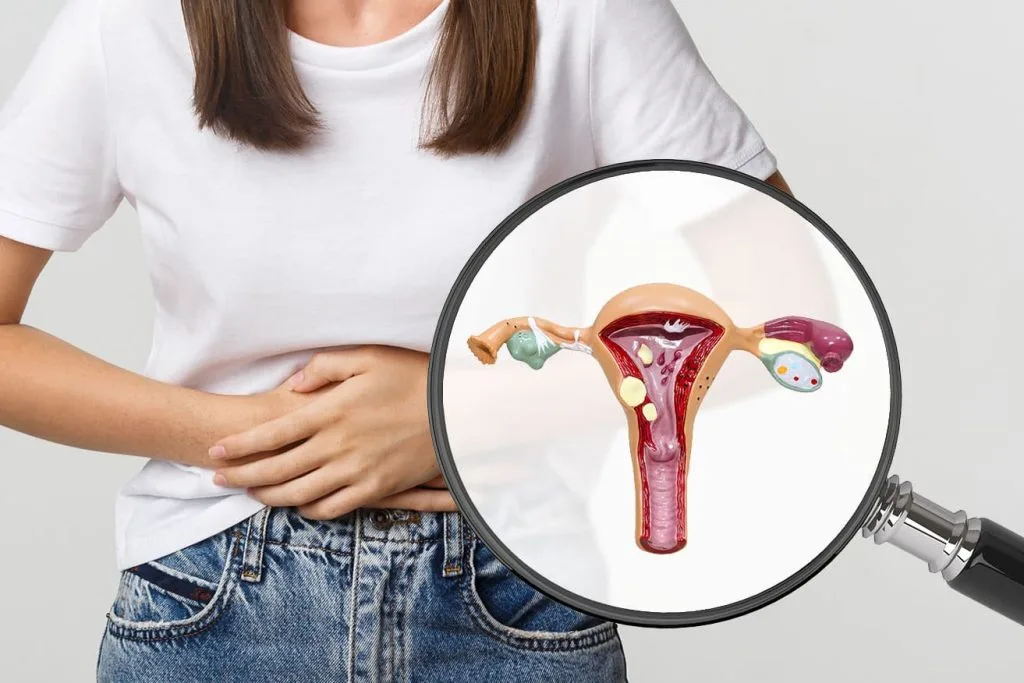
Endometriosis is a complex and frequently overlooked condition that affects millions of women worldwide. It occurs when tissue similar to the lining of the uterus grows outside of it—most commonly on the ovaries, fallopian tubes, and within the pelvic area. In some cases, it can even affect other organs.
What makes the condition particularly challenging is how it behaves. This tissue responds to hormonal changes during the menstrual cycle, just like the uterine lining. It thickens, breaks down, and bleeds—but unlike normal menstrual tissue, it has nowhere to go.
The result is inflammation, scarring, and, over time, chronic pain.
Symptoms that are often dismissed
One of the biggest challenges with endometriosis is that its symptoms are frequently misunderstood or minimized. Common signs include:
- severe menstrual pain that interferes with daily activities
- persistent lower abdominal or pelvic pain
- pain during or after sexual intercourse
- heavy or irregular bleeding
- difficulty getting pregnant
Because these symptoms can overlap with other conditions—or are simply accepted as “part of being a woman”—many cases go unrecognized.
The link to fertility
Endometriosis is also closely linked to fertility issues.
Estimates suggest that around 30–40% of women experiencing infertility may have endometriosis as an underlying cause. Overall, the condition affects approximately 10–15% of women of reproductive age.
Despite these numbers, diagnosis is often delayed—sometimes for years after the first symptoms appear.
That delay can have a significant impact, not only on physical health but also on emotional well-being and quality of life.
What causes it?
The exact cause of endometriosis is still not fully understood. However, several factors are believed to play a role:
- hormonal imbalances, particularly involving estrogen
- immune system dysfunction
- genetic predisposition
Because of this, endometriosis is not just a localized issue. It is increasingly seen as a systemic, hormone-driven inflammatory condition.
Treatment options and management
There is currently no definitive cure for endometriosis, but there are ways to manage it effectively.
Treatment depends on the severity of symptoms and whether a woman is planning to become pregnant. Options may include:
hormone-based therapies to control the growth of endometrial-like tissue
surgical procedures to remove affected areas
a combination of both approaches
With early diagnosis and proper care, many women are able to significantly reduce symptoms and maintain their quality of life.
Living with the condition
For women who want to start a family, endometriosis can present additional challenges—but it is not an impossible barrier.
With the right medical guidance and support, many are able to achieve pregnancy.
Equally important is awareness. Understanding that persistent pain is not something to ignore can make a crucial difference.
Menstrual pain should not automatically be accepted as “normal,” especially when it disrupts daily life.
Listening to the body, seeking medical advice, and recognizing early signs can help prevent years of unnecessary discomfort.
In many cases, the biggest step forward is simply acknowledging that something isn’t right—and acting on it.